
Admiration vs. Abuse: How Parents Can Teach Kids the Difference (Without Fear or Shame)
- Mar 18
- 2 min read
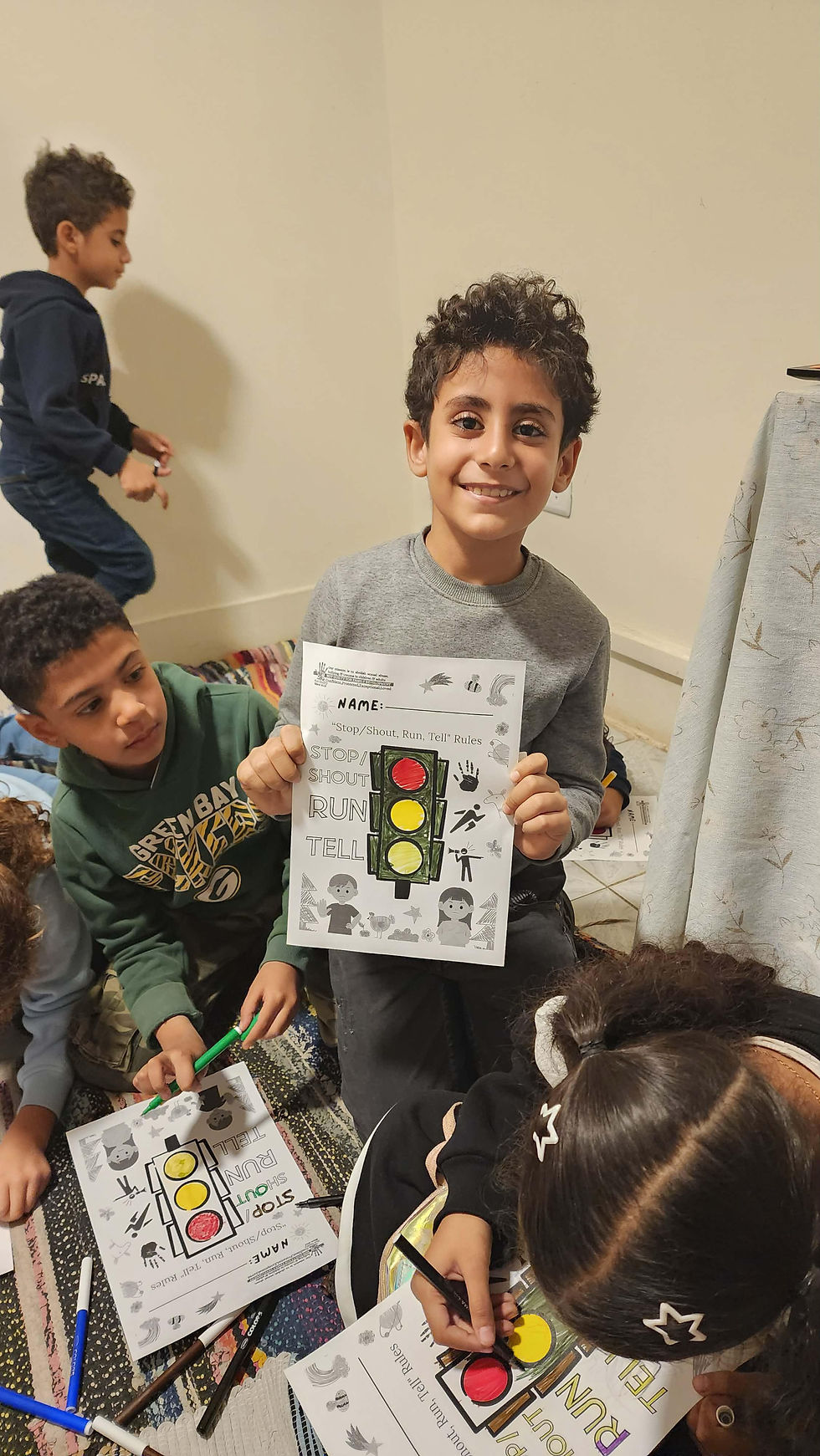
Most parents tell their children, “Be polite.” “Respect adults.” “Don’t be rude.”
But here’s what many children silently learn from those messages: “Even if I feel uncomfortable… I should stay quiet.”
And that is exactly why it’s critical to teach children the difference between admiration and abuse in a simple, safe, age-appropriate way.
First: What is “Admiration”?
Admiration is healthy attention. It feels safe. It is respectful. Examples:
“Great job on your project!”
“That color looks nice on you.”
“You’re really talented.”
Admiration:
feels comfortable
is not forced
comes with respect
does not pressure the child
does not create fear or embarrassment
What is “Abuse” (in school or anywhere)?
Abuse is anything that makes your child feel:
scared
pressured
embarrassed
confused
uncomfortable
trapped
A simple sentence kids can understand is:
“If it makes you feel uncomfortable inside… it is probably wrong.”
The 3 Types of Abuse Kids Experience Most
In school settings (and even online), abuse often shows up in 3 forms:
1) Verbal Abuse
insults
body comments
threats
inappropriate jokes
rumors
2) Written Abuse
mean messages
embarrassing posts
forced “love letters.”
inappropriate drawings
spreading rumors online
3) Touch Abuse (The Most Dangerous One)
unwanted touching
pulling clothes
touching private areas
forced hugs
standing too close in a disturbing way
Teach your child this line clearly:
✅ “My body belongs to me. Touching without permission is not okay.”
What Kids Feel When Abuse Happens (and Why It Matters)
Many children feel:
Guilty
Confused
Ashamed
embarrassed
terrified
anxious
disgusted
alone
scared
And here’s the problem: When a child feels shame, they often stay silent.
So your message as a parent must be:
“If someone hurts you, I will not blame you. I will protect you.”
The “Stop + Tell” Safety Script (Parents Must Practice This at Home)
Kids need a short drill—like a fire drill. Not fear. Practice.
Teach them these steps:
Say: “Stop. This bothers me.”
Tell a trusted adult at school (teacher/counselor/principal)
Tell a trusted adult at home (you)
Write down what happened (who, where, when, witnesses)
What Parents Should Say If Their Child Reports Something
Say this immediately:
✅ “Thank you for telling me.”✅ “I believe you.”✅ “You didn’t do anything wrong.”✅ “You are not in trouble.”✅ “I will handle this.”
Bottom Line
Your child does not need to know every detail about abuse. They need to know how to recognize danger and speak up quickly.
Protection is not shame. Protection is love.



Comments